
At some point between falling in love with a wood mosaic and actually checking the price tag, most people do the same quiet mental math. Something along the lines of “that’s a lot of Bunnings trips.” Fair enough. So let’s actually answer the question instead of dancing around it.
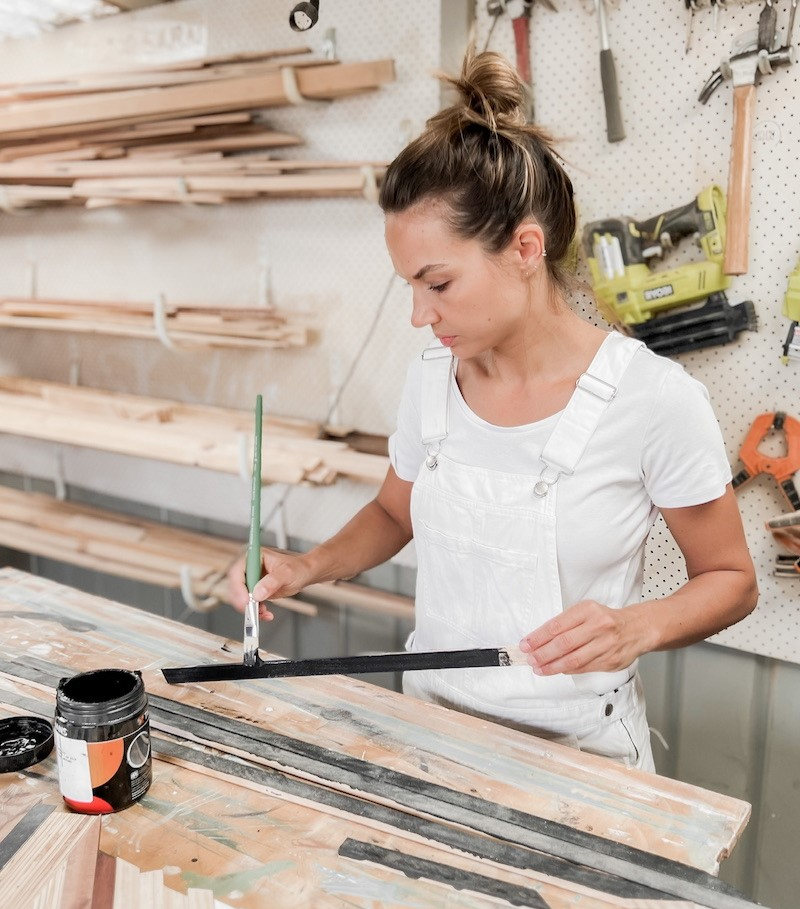
A wood mosaic isn’t wood and glue with a markup slapped on top. Here’s where the time and cost really go:
No factory line. No mass production. No mall-gallery overhead getting added on top for the privilege of a nice frame. You’re paying closer to an artist’s time and materials than a retail markup, because that’s exactly what it is. There’s no team of twelve, no warehouse, no bulk supplier deal bringing the cost down. It’s a small, hands-on operation, and the price reflects that directly rather than getting diluted through layers of overhead.
Mass-produced wall art. This is the cheapest option, and it looks it eventually. It’s made to be replaced. You could walk into a dozen homes and see the same print hanging in the same spot, because thousands of the exact same print exist. It’s decor, not a piece.
Giclée or limited-edition prints from other artists. These sit in the middle. You’re paying for someone’s original composition, but you’re still one of a limited run, not the only one. There’s more story here than a mass print, but still less than something made specifically for your wall.
A custom wood mosaic. This is the one that’s actually made for your space, in materials that carry their own history, that nobody else will ever own an identical version of. It’s the kind of piece that ends up being the thing people ask about when they walk into your home.
A few honest signs this makes sense for you:
And a few signs it might not be the right fit right now:
Canvas fades. Prints date. Trends move on and suddenly that piece looks like it belongs to a specific year rather than your home. Solid timber doesn’t work that way. It ages rather than deteriorates, and the kind of natural, organic design a wood mosaic uses doesn’t tie itself to a passing aesthetic the way a lot of printed art does. A wood mosaic isn’t something you refresh every couple of years, it’s something you keep, and often something that gets passed on rather than replaced.
If you’re after something to fill a wall, probably not, there are cheaper ways to do that. But if you want a piece with actual story and texture behind it, something that’s genuinely yours and nobody else’s, that’s where the value sits.
Ready to talk about a custom piece? Get in touch and let’s figure out what it could look like in your space.
Not quite ready to commit? Browse finished pieces for inspiration first.


